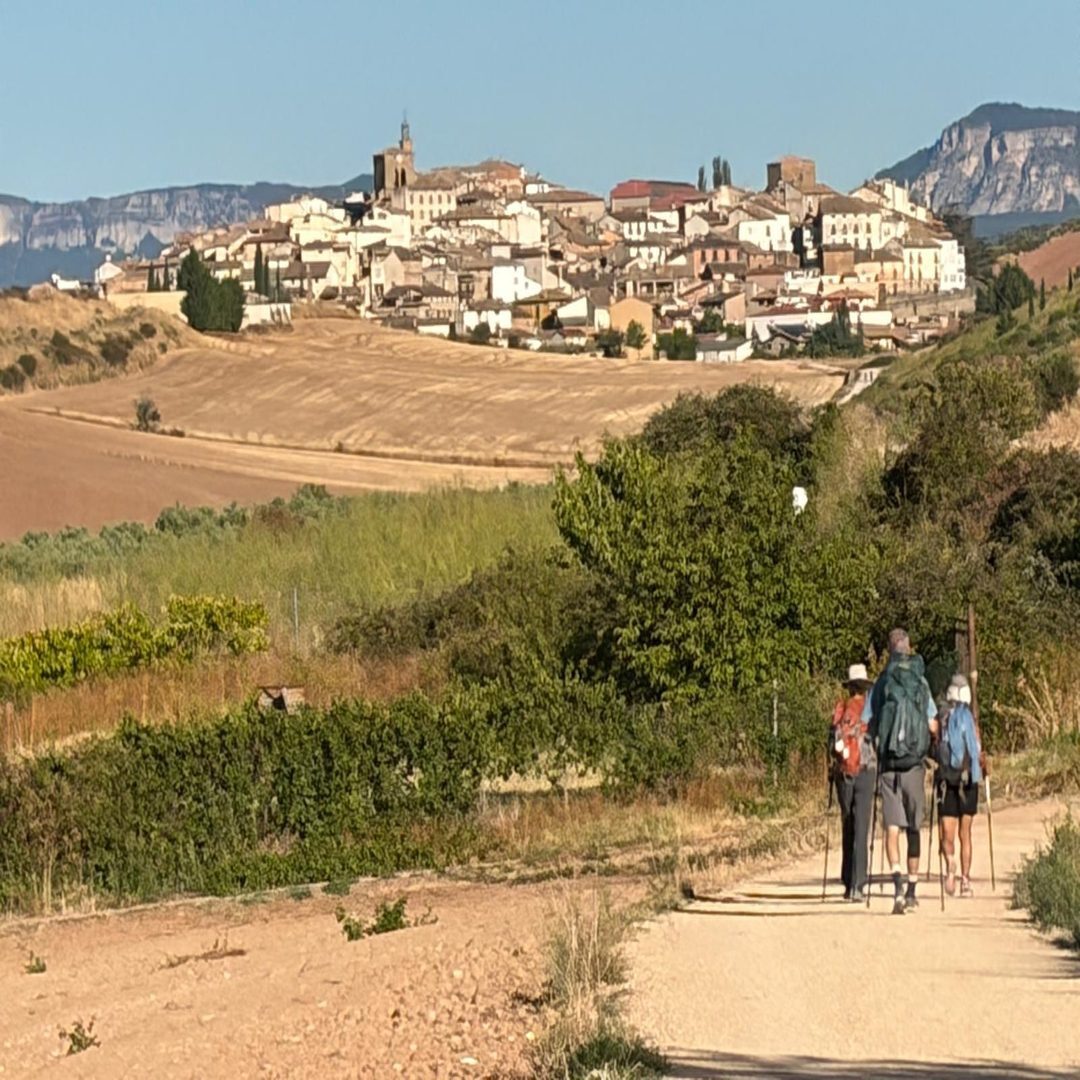
As I reintegrate home after spending the past few weeks walking across Spain, I’ve been reflecting on some of the intercultural lessons I learned from this journey. There are lots of parallels when walking 500 miles across a country and navigating global leadership and teamwork in our increasingly complex world. Both require openness to uncertainty, curiosity, flexibility, stamina, and resilience to keep going, as well as a determination to succeed. I’m sharing below a few of my insights into the similarities.
1. Same destination, different paths – While reaching Santiago de Compostela is the end goal for most people, everyone has a different reason for doing the Camino and may take a different route. Some choose a packaged tour where the itinerary is clearly defined, while others may be solo trekkers, preferring spontaneity and relying on their intuition. When working across cultures, team members may have the same end goal but may have different ways of working to reach it. Assuming that everyone will work in the same way often leads to misunderstandings and clear discussion to establish shared outcomes is important while also creating space for each team member to work in their preferred style.
2. Setting your own pace doesn’t limit success – Everyone has a different timeframe and physical capabilities on the Camino which can determine how quickly or slowly one walks. Some pilgrims walk fast and may cover more miles/kilometers each day, determined to reach the end quickly while others walk slowly and prefer to savor each step. Similarly, our culture might determine how fast we get to the finish line on a project, with some prioritizing speed, action and adhering to strict deadlines, while others prefer to take their time emphasizing careful analysis and seeking consensus before making a decision. Defining in advance these different priorities and expectations around urgency, pace and productivity can clarify deadlines that are non-negotiable and help team members establish realistic milestones while allowing flexibility in how people get there.
3. Building connections and trust – One of the most magical aspects of the Camino is the ability to make quick friendships with people across cultures, languages, and generations where authenticity and vulnerability trump artifice. Fellow pilgrims are quick to offer support or translate when someone needs help, share food, or simply include someone who is alone, without any expectation of reciprocity. There is an unspoken practice of paying it forward and the generosity is infectious. Similarly successful multicultural teams recognize the importance of building rapport and trust at the onset. This can foster a sense of belonging and psychological safety which often increase team members’ motivation, engagement, productivity and overall performance. Trust doesn’t happen only from formal teambuilding activities or professional credentials. It develops through small daily actions that show reliability, generosity, respect, and follow through.
4. The importance of asking rather than assuming – Despite clear postings of the path, there were several times where we missed the ubiquitous scallop shell and arrow that marks the Camino. On one occasion we walked several kilometers off course after assuming we were heading in the right direction only to find us a nightfall far from our destination that day. Asking a local or fellow pilgrim for direction helped get us back on track. Similarly, when we interpret another’s action through our own cultural lens, we may be mistaken. For example, we might read silence as agreement, only to discover that a team member disagrees but didn’t want to speak up during a meeting in respect for hierarchy, to save face or to maintain group harmony. Instead of assuming, asking curious open-ended questions can assure better alignment and get us on course.
5. Slowing down and the power of the pause – Along the Camino, we would often start walking at dawn where the early morning stillness and silence were our main companions. We also slowed down our normal walking pace considerably which allowed us to be more fully present with our thoughts and better appreciate our surroundings. Similarly at work, when we pause and listen fully without distraction, we can reflect more on cultural nuances that may impact our interactions, such as non-verbals and other cues that might indicate someone’s reaction during a meeting. It also allows us to be more mindful before responding and unintentionally say something culturally inappropriate or potentially offensive.
6. Have a plan but allow for adaptation – Doing a multi-week hike involves lots of advance planning physically and logistically, from ensuring physical fitness, deciding what to pack and where to stay. At the same time, flexibility is key to success. Adverse weather or an unanticipated injury may hinder walking some days or you may discover a dearth of accommodations in a certain village requiring you to walk further that day. Some people are more comfortable with uncertainty and risk and are able to improvise quickly. Others may wish to minimize this and make contingency plans in case they are thrown off course. When working across cultures, projects rarely unfold as planned. Team members may have a different pace with decision-making, with some wanting to quickly move forward and others being more cautious and analytical, some may need more or less detail, unexpected problems may arise, or deadlines may be missed. Discussing in advance contingency plans for sudden changes and how to adapt to them can blend different levels of comfort with unpredictability.
7. Celebrate success – Walking the Camino de Santiago is much like cultivating cultural intelligence. Both are journeys of discovery, growth, and personal transformation, where success deserves to be celebrated along the way—not just at the final destination. Each kilometer walked, challenge overcome, new connection made, or cultural difference navigated represents a small victory that builds confidence, resilience, and understanding. Just as Camino pilgrims my celebrate milestones along the Way, teams working across cultures may also recognize progress, celebrate new insights, and acknowledge the courage it takes to step outside our comfort zone and consider new ways of thinking and behaving. Ultimately, it is these small successes along the journey that make the final destination all the more meaningful.